In an age where security is paramount, understanding the mechanics behind high-security door locks is essential for homeowners and business owners alike. These locks are designed not just to deter intruders but to provide peace of mind. With the right knowledge, you can make informed decisions about your security needs and ensure that your property is well-protected.
What Makes a Lock High-Security?
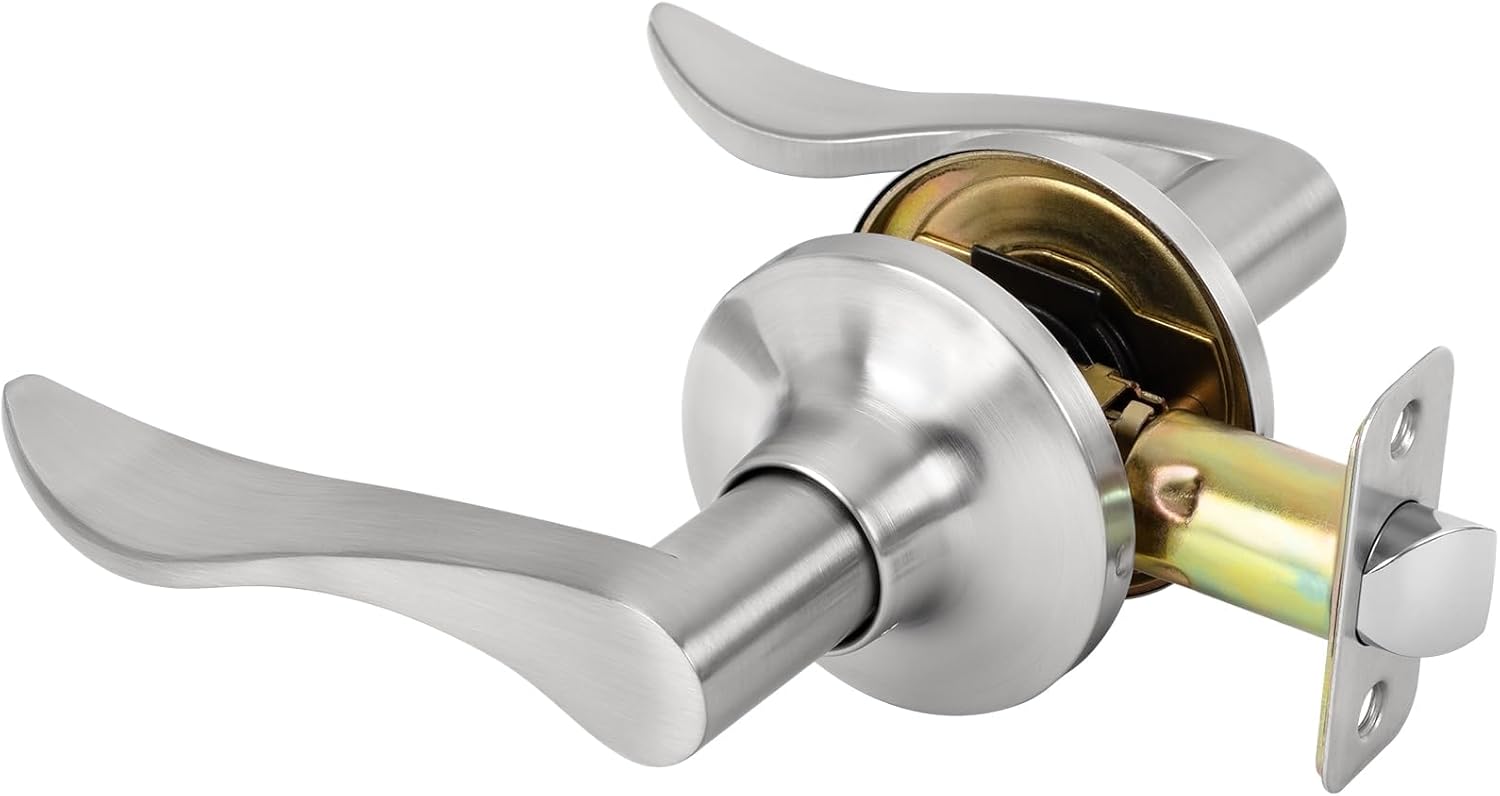
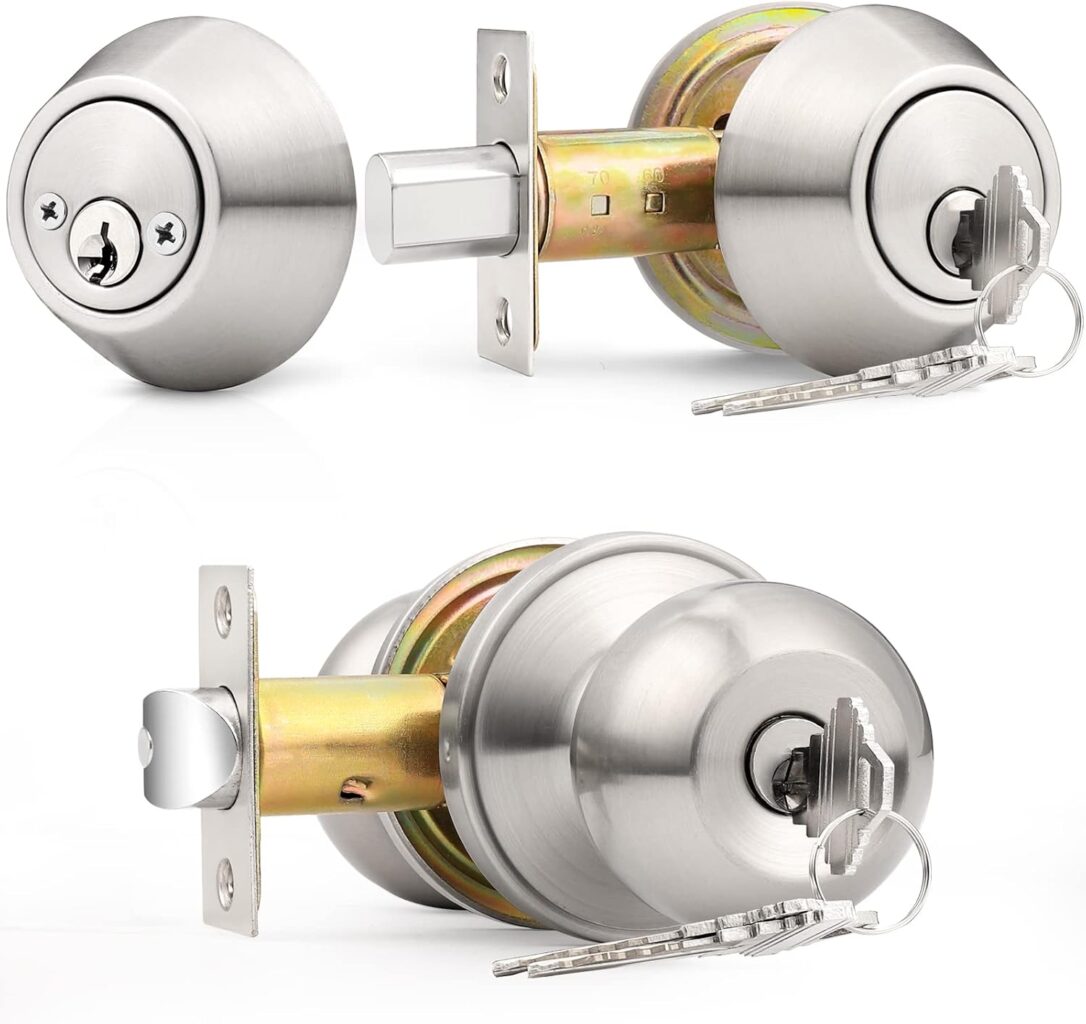
High-security locks are distinguished by their advanced design and construction, which often includes features such as hardened steel, complex keyways, and patented key control. Unlike standard locks, which can be easily picked or bumped, high-security locks are engineered to resist these common methods of unauthorized entry. Additionally, many high-security locks come with features like anti-drill plates and reinforced strike plates, making them significantly more difficult to compromise.
Another critical aspect of high-security locks is their key control. Many manufacturers offer patented key systems that prevent unauthorized duplication of keys. This means that even if someone manages to get a hold of your key, they cannot simply make a copy without your permission. This level of control is crucial for businesses that need to manage access to sensitive areas.
The Importance of Proper Installation
Even the best high-security lock will fail to protect your property if it is not installed correctly. Proper installation involves not only fitting the lock into the door but also ensuring that the door frame is sturdy and that the lock aligns perfectly with the strike plate. A poorly installed lock can create vulnerabilities that intruders can exploit, rendering your investment in high-security locks ineffective.
To ensure proper installation, consider hiring a professional locksmith who specializes in high-security systems. They will have the expertise to assess your specific needs and install the lock in a way that maximizes its effectiveness. Remember, the goal is not just to have a high-security lock but to have it function as intended within the overall security framework of your property.
Regular Maintenance and Upgrades
High-security locks require regular maintenance to ensure they continue to function optimally. This includes routine checks to ensure that the lock mechanism is clean and lubricated, as well as inspecting the door and frame for any signs of wear or damage. Neglecting maintenance can lead to malfunctions that could compromise your security.
Additionally, as technology evolves, so do the threats to your security. It is wise to stay informed about advancements in lock technology and consider upgrading your locks periodically. Many high-security locks now incorporate smart technology, allowing for remote access and monitoring, which can enhance your security even further.
Checklist:
Checklist: Assess your current locks, Research high-security options, Schedule professional installation.
Conclusion: Making the Right Choice
Choosing the right high-security door lock is a critical decision that can significantly impact your safety. By understanding the mechanics behind these locks, you can make informed choices that align with your security needs. Whether you are a homeowner looking to protect your family or a business owner safeguarding your assets, investing in high-security locks is a proactive step towards ensuring safety.
Ultimately, the effectiveness of high-security locks lies in their design, installation, and maintenance. By taking the time to educate yourself and implement best practices, you can create a secure environment that deters potential intruders and provides peace of mind for you and your loved ones.