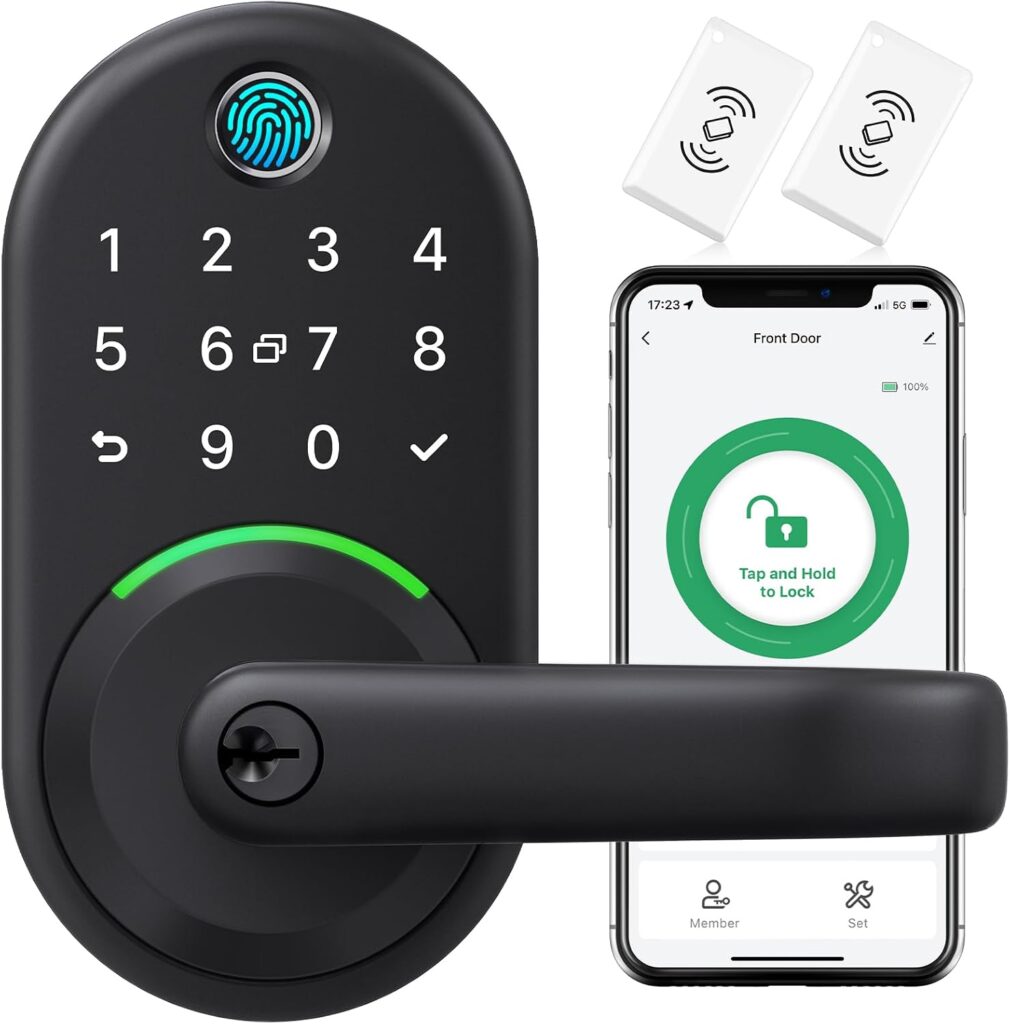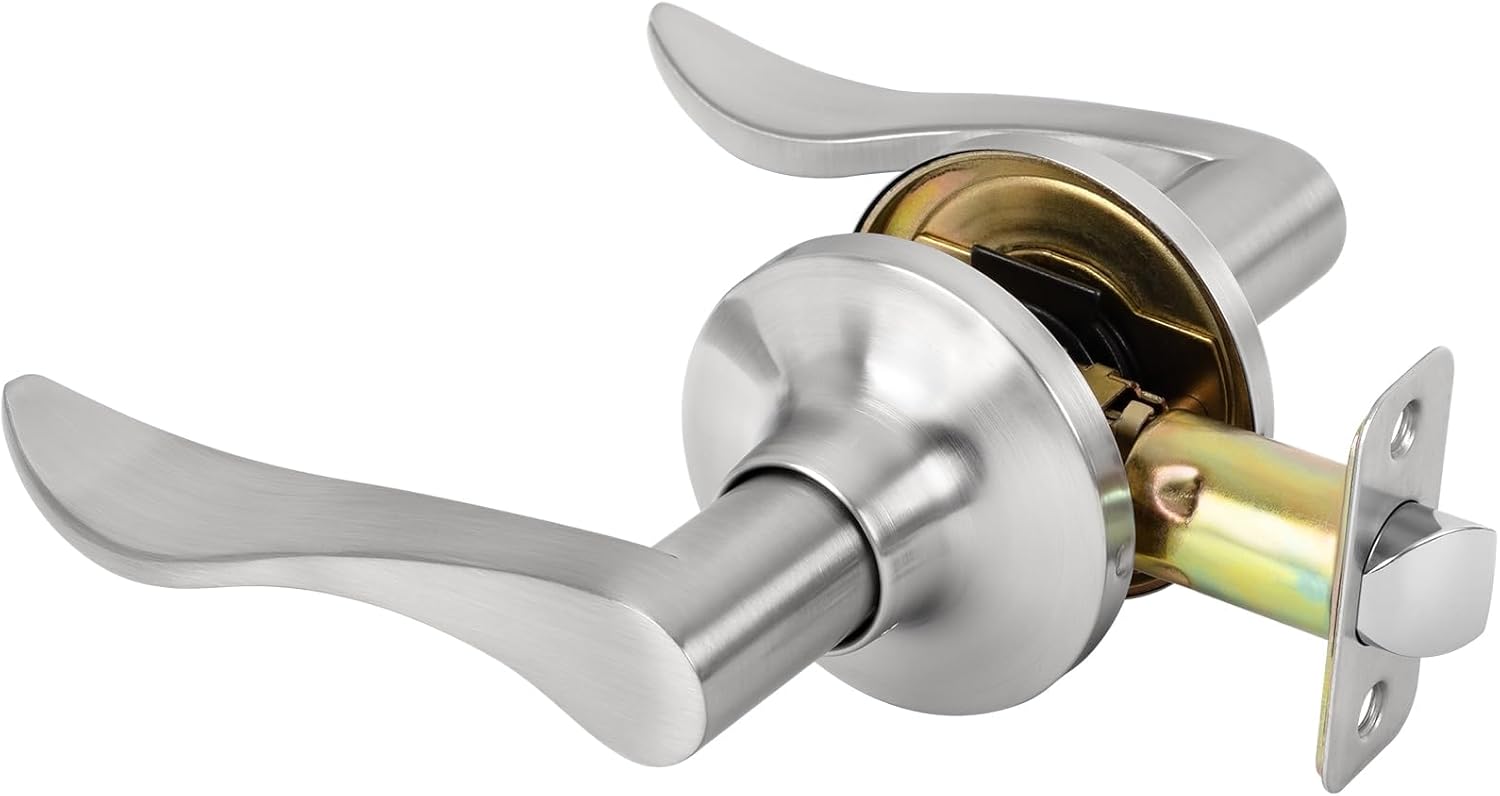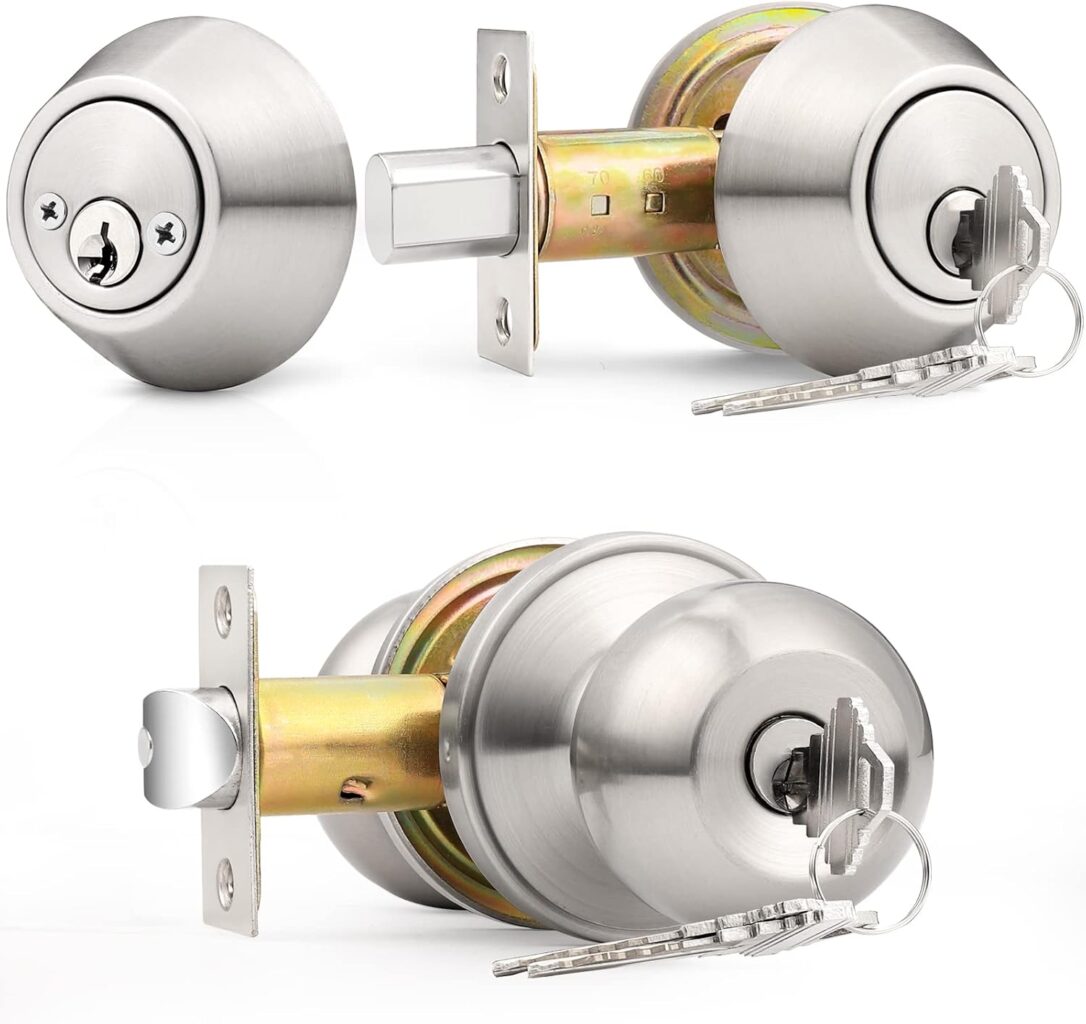
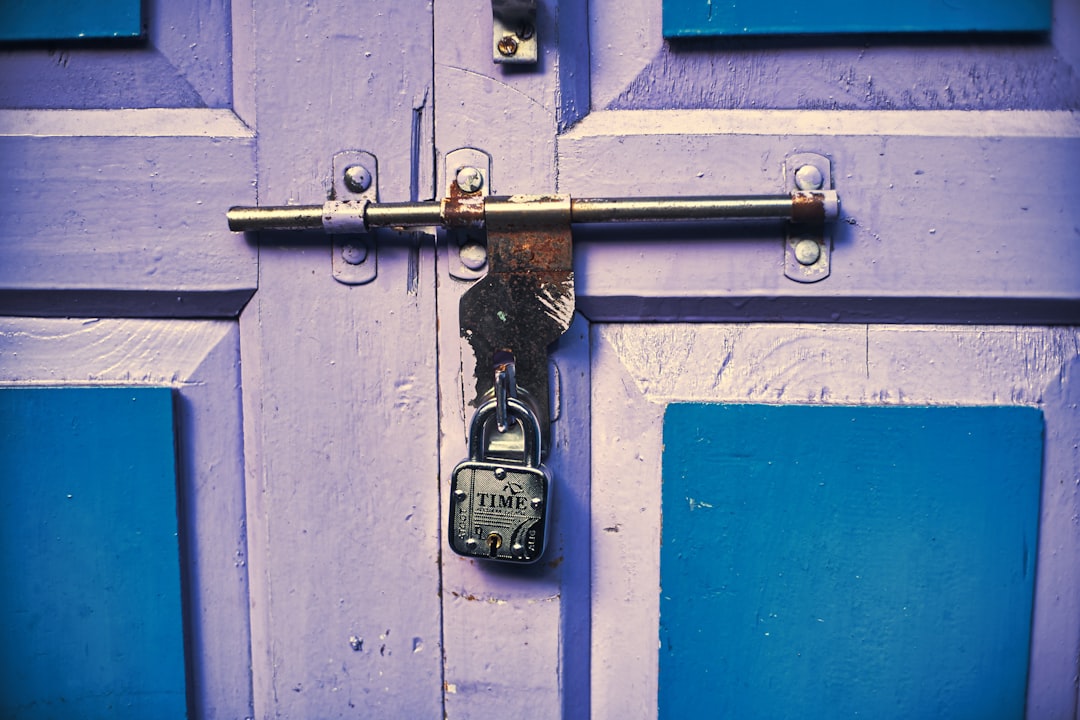
Buying a door lock online can be a daunting task, especially with the myriad of options available. Many consumers often overlook critical factors that can lead to poor purchasing decisions. Understanding the common mistakes can help buyers make informed choices, ensuring their homes remain secure while also fitting their specific needs.
Not Considering Security Ratings
One of the most significant mistakes consumers make is neglecting to check the security ratings of door locks. Security ratings, such as those provided by the American National Standards Institute (ANSI), offer insights into the lock’s durability and resistance to forced entry. For instance, a Grade 1 rating indicates a high level of security, suitable for commercial applications, while Grade 3 is more appropriate for residential use. Key Insight: By choosing a lock with a higher security rating, consumers can significantly reduce the risk of break-ins, as homes with Grade 1 locks are 50% less likely to be targeted by burglars.
Additionally, many buyers fail to understand the importance of the lock’s construction materials. Locks made from solid brass or stainless steel tend to offer better resistance against tampering and corrosion compared to those made from cheaper materials. Investing in a high-quality lock not only enhances security but also prolongs the lifespan of the product, ultimately saving money in the long run.
Ignoring Compatibility with Existing Hardware
Another common oversight is not ensuring that the new lock is compatible with existing door hardware. Many consumers purchase locks without verifying the size and type of their door, leading to installation issues. For example, a standard deadbolt may not fit properly on a door that has been previously fitted with a different style of lock. This can result in additional costs for modifications or even the need to return the lock altogether.
Furthermore, buyers should consider the door’s thickness and backset measurement, which can vary significantly. A lock that is too short or too long can compromise the door’s integrity and security. By taking the time to measure and understand the specifications of their door, consumers can avoid the frustration of purchasing an incompatible lock.
Overlooking Warranty and Return Policies
When shopping online, many buyers neglect to review the warranty and return policies associated with the door locks they are considering. A robust warranty can provide peace of mind, ensuring that if the lock fails or has defects, the consumer can receive a replacement or repair without additional costs. Some manufacturers offer warranties that last for several years, which can be indicative of the lock’s quality and reliability.
Additionally, understanding the return policy is crucial, especially for online purchases. If a lock does not meet expectations or is found to be incompatible, a flexible return policy can save consumers from financial loss. Buyers should always check if the retailer allows returns and under what conditions, as this can vary widely between different e-commerce platforms.
Failing to Read Customer Reviews
Customer reviews are an invaluable resource when purchasing a door lock online, yet many buyers overlook them. Reviews provide real-world insights into the lock’s performance, durability, and ease of installation. By reading through both positive and negative feedback, consumers can gauge whether a particular lock meets their needs and expectations.
Moreover, reviews can highlight potential issues that may not be apparent in product descriptions. For instance, a lock may be marketed as easy to install, but numerous reviews might indicate otherwise. By taking the time to read customer experiences, buyers can make more informed decisions and avoid products that may lead to disappointment.
Neglecting to Compare Prices
Lastly, many consumers fail to compare prices across different platforms before making a purchase. E-commerce has made it easier than ever to find competitive pricing, yet some buyers may settle for the first option they see. By taking a few extra minutes to shop around, consumers can often find significant savings, especially on high-ticket items like door locks.
Price comparison can also reveal discounts or promotions that may not be advertised prominently. For example, some retailers may offer seasonal sales or bundle deals that can lead to substantial savings. Key Insight: Research indicates that consumers who compare prices can save an average of 20% on their purchases, making it a worthwhile step in the buying process.